Munchkin Kittens for Sale
Munchkin cats are recognised by their unusually short legs and lively personalities, but their inherited body shape raises important animal-welfare questions. Australian buyers should investigate local breeding rules, independent veterinary advice and the kitten’s comfort and mobility before committing to a purchase.
What Should Australians Know Before Buying a Munchkin Kitten?
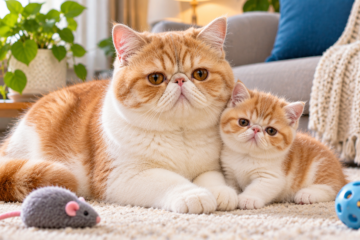
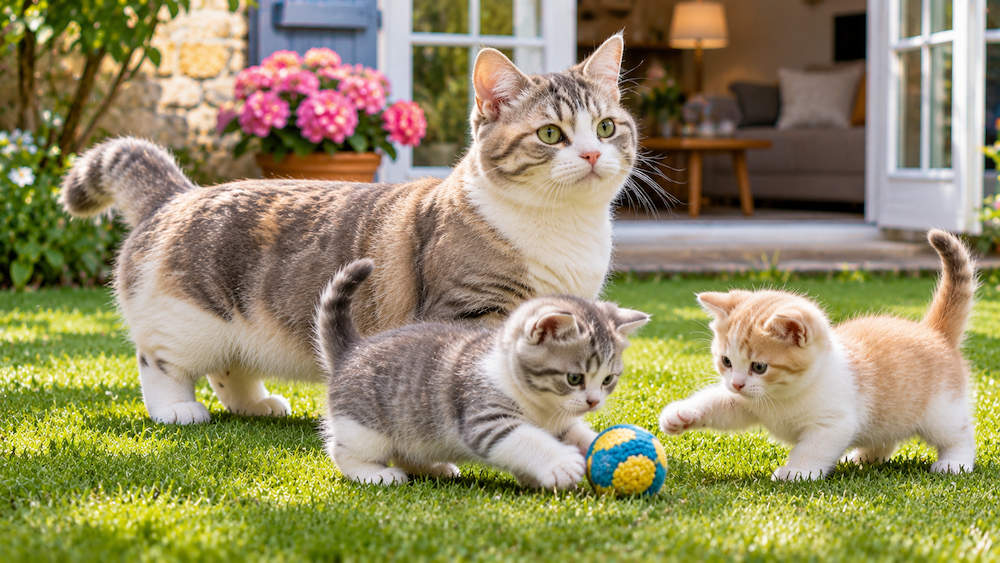
The Munchkin is a domestic cat with short legs caused by an inherited change affecting limb development. Cats may have short or long coats and a wide range of colours and markings. They can be playful and affectionate, but their distinctive appearance must never take priority over sound health and comfortable movement.
Munchkins are recognised by some overseas cat registries, but recognition is not universal. Australian feline organisations and animal-welfare bodies may take different positions on breeding cats for inherited physical traits. A pedigree certificate is not proof that a kitten has no mobility or skeletal problems.
Before looking for a Munchkin kitten, ask an independent Australian veterinarian about potential welfare implications. Check the current animal-breeding and sale rules in your state or territory: restrictions and breeder obligations can differ between jurisdictions.
Finding Munchkin Kittens for Sale Near Me in Australia
Munchkin kittens are relatively uncommon in Australia, and availability may vary between Melbourne, Sydney, Brisbane, Perth, Adelaide and regional areas. Be wary of sellers offering immediate delivery, refusing inspections or asking for deposits before you can verify the kitten and its origins.
Browse cat listings at PetsAustralia.com.au, but remember that an advertisement is not an endorsement of the breeder or a guarantee of kitten health. Arrange to meet the kitten and evaluate the seller independently.

Questions to Ask Before Responding to a Kitten Advert
- Ask to meet the kitten with its mother in the place it was raised, or request a genuine live video inspection if travel is unavoidable.
- Request veterinary records, vaccination and worming details, microchip information and any required breeder identification number.
- Ask whether the parents have experienced limping, joint pain, spinal issues or difficulty with ordinary movement.
- Avoid advertisements promoting “micro”, “teacup” or unusually extreme short legs as desirable features.
- Do not pay a deposit until you have verified the seller’s identity, the kitten’s age, health and relevant legal requirements.
Does a Munchkin Make a Good Family Cat?
Many Munchkins are sociable companions that enjoy attention, interactive toys and everyday household activity. They may suit families willing to provide patient handling, indoor enrichment and appropriate veterinary care. Temperament varies between individuals, and a kitten’s upbringing matters at least as much as breed labels.
Children should be taught to let a cat approach voluntarily, support its body when lifting and never pull its legs or tail. Supervise interactions with younger children. For a household primarily seeking a friendly family pet, a healthy domestic shorthair or rescue cat may offer similar companionship without intentionally selected short limbs.
Munchkin Temperament and Personality
Munchkins are often described as outgoing, inquisitive and fond of games. Many enjoy chasing toys, exploring cardboard tunnels and following family members from room to room. They are not necessarily quiet or sedentary simply because they have short legs.
Temperament varies between individual cats. Choose a kitten that appears confident without being forced into interaction, and ask how it has been socialised to household sounds, gentle handling and other animals.
Can Munchkin Cats Jump and Climb?
Some Munchkins can climb and jump, but shorter limbs may change how they negotiate furniture and heights. Ability differs from cat to cat; avoid assuming that a kitten can safely manage every surface simply because it appears energetic.
Offer stable, low platforms, ramps and easily accessible resting places. Keep litter trays easy to enter, and place food and water where the cat does not need to make awkward leaps. Monitor for reluctance to jump, stiffness, limping or changes in activity, and seek veterinary guidance if these occur.
How Much Exercise Does a Munchkin Need?
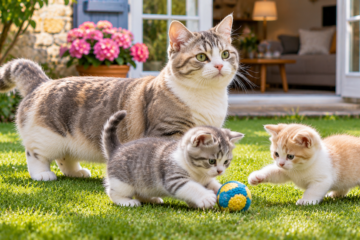
Munchkins need daily play and mental stimulation, like other cats. Gentle games with wand toys, puzzle feeders and rolling balls can encourage natural hunting behaviour without demanding repeated high jumps.
- Use low-level climbing furniture and secure scratching posts.
- Rotate toys to keep play interesting.
- Provide hiding places, window views and comfortable beds.
- Keep the cat at a healthy body condition to avoid unnecessary strain on joints.
Are Munchkin Cats Easy to Train?
Cats can learn to come when called, enter a carrier and use a scratching post through reward-based training. Use small treats, keep sessions short and avoid punishment. Early positive carrier training also makes Australian vet visits easier.
Munchkin Grooming and Coat Care
Grooming depends on coat length rather than leg length. Shorthaired Munchkins generally need occasional brushing; longhaired cats may need several sessions each week to prevent tangles. Check the ears, teeth and nails regularly and keep bedding and litter facilities clean.
If a cat struggles to groom parts of its body, becomes matted or develops sore skin, ask a vet to check whether mobility or pain is contributing.
Munchkin Health and Welfare Considerations
The defining short-legged characteristic is linked to a genetic change affecting skeletal development. Animal-welfare advocates have raised concerns about intentionally breeding for unusual limb proportions. It is important not to dismiss possible discomfort simply because a kitten seems playful.
Mobility and Skeletal Health
Discuss the possibility of abnormal limb development, joint discomfort, spinal problems and reduced mobility with a vet who is independent of the seller. Watch for changes in gait, reluctance to climb, pain when handled or difficulty using the litter tray. Do not assume these signs are a normal part of the breed.
General Feline Health
Australian kittens need routine veterinary examinations, age-appropriate vaccinations, parasite control, suitable nutrition and dental care. Ask about family health history and seek an independent veterinary assessment rather than relying only on assurances from the seller.
How Long Do Munchkin Cats Live?
Lifespan varies with genetics, health, living conditions and veterinary care. Online estimates for Munchkins are not a substitute for reliable long-term breed health data. Focus on the individual kitten’s condition and the seller’s transparency rather than a promised number of years.
Munchkin Breed Overview
Characteristic | Overview |
Origin | United States; short-legged cats have also been reported historically |
Size | Small to medium; individual build varies |
Coat | Short or long; many colours and patterns |
Temperament | Often playful, curious and affectionate |
Activity level | Moderate to lively; individual mobility varies |
Grooming | Low to moderate for short coats; higher for long coats |
Home suitability | Indoor enrichment and accessible furniture recommended |
Health priority | Short-limb welfare and mobility; routine feline health care |
Registry considerations | Recognition varies; check Australian bodies and welfare guidance |
Interesting Facts About the Munchkin
- The breed’s name references the Munchkins from The Wonderful Wizard of Oz.
- Munchkins can have short or long coats in a wide range of colors.
- The short-legged trait does not reliably predict whether an individual cat will be affectionate, confident or easy to handle.
- Different cat registries have taken different positions on recognizing the breed because of welfare concerns.
Buying a Munchkin Kitten Responsibly in Australia
Cat-breeding and sale requirements vary across Australian states and territories. Depending on location, breeders may need registration or an identification number, and advertisements may have to display particular details. Check your state or territory’s current animal-welfare, breeding and sale rules, including any restrictions relevant to breeding cats with inherited physical traits.
Ask for the kitten’s microchip details and verify the transfer process with the relevant registry. Check the minimum legal transfer age in your jurisdiction; reputable breeders commonly keep kittens until around 12 weeks or longer for appropriate development and socialisation. Obtain a written agreement, vaccination records and a recent veterinary health assessment.
Australian summers can be dangerous for indoor and outdoor cats alike. Provide cool, well-ventilated indoor areas, fresh drinking water and shaded resting spots. Keep kittens away from hot patios, enclosed sheds and parked cars. Ask your vet about locally appropriate flea, worm and tick prevention, particularly where paralysis ticks occur.
Is a Munchkin the Right Cat for Your Australian Home?
Choose a companion for lifelong comfort, not an unusual appearance. Discuss the short-legged trait with an independent veterinarian, observe the kitten walking and playing, assess the breeding environment and consider whether a healthy rescue or another breed could be a better match for your household.
Explore cats and kittens on PetsAustralia.com.au. Verify the seller, ask detailed health and welfare questions, and prioritize a healthy, well-socialized companion.