Kai Ken Puppies for Sale
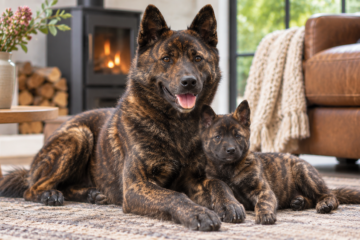
The Kai Ken is a rare Japanese dog breed admired for its striking brindle coat, athletic build and close bond with its family. Sometimes called the Tora Inu, or “tiger dog”, this medium-sized spitz-type hunting breed is intelligent, watchful and exceptionally agile. For Australian buyers, finding a Kai Ken puppy may take patience: genuine breeders and available litters are uncommon.
Before choosing a puppy, consider whether you can provide consistent training, daily exercise, secure outdoor space and plenty of companionship. A Kai Ken is rewarding for an experienced, active household, but its independent streak and strong prey drive make it less suitable for someone wanting an effortless first dog.
Kai Ken Puppies for Sale Near Me
Searching for Kai Ken puppies for sale in Australia may involve looking beyond your own city or state. Breeders and breed enthusiasts can be difficult to locate, so ask for evidence of pedigree, health screening and ethical breeding rather than relying on a listing’s claims alone. Do not pay a deposit before you have verified the breeder and the puppy’s circumstances.
How to Find a Responsible Australian Breeder
- Ask to meet the mother and view the puppies in their normal living environment, in person or through a credible live video call.
- Request the parents’ health information, veterinary records and details of any relevant screening recommended by the breeder’s veterinarian.
- Confirm the puppy’s microchip details, vaccination and worming history, age at transfer and written sale agreement.
- Check the breeder’s registration or identification obligations under the laws of their state or territory, and confirm any local council requirements.
- Be cautious of unusually cheap puppies, pressure to pay immediately, copied photographs and sellers who refuse to answer questions.
A rare breed should never be an excuse for poor transparency. If you are considering interstate transport, discuss welfare, travel arrangements and the puppy’s age with the breeder and a veterinarian.

Does a Kai Ken Make a Good Family Dog?
A well-socialised Kai Ken can be an affectionate and devoted family companion. Many form strong bonds with their people and are observant around unfamiliar visitors. They are not usually indiscriminately friendly with everyone, and their reserved nature should not be confused with aggression.
With children, the best results come from respectful handling, predictable routines and adult supervision. Teach children to leave dogs alone when eating or resting. Introductions to other dogs and household pets should be gradual; a Kai Ken’s hunting heritage can make small, fast-moving animals especially tempting to chase.
Kai Ken Temperament and Personality
Kai Ken are alert, loyal, resourceful and often more independent than conventional companion breeds. They enjoy exploring, sniffing and solving problems, but may be cautious in unfamiliar situations. Their natural watchfulness can make them useful alert dogs without making them suitable as dedicated protection dogs.
Early positive experiences with people, environments, traffic, other dogs and routine handling are particularly important. Good socialisation builds confidence rather than forcing a naturally reserved dog to greet everyone.
How Much Exercise Does a Kai Ken Need?
Most healthy adult Kai Ken need substantial daily activity, combining brisk walks, play and mentally engaging tasks. The exact amount depends on age, fitness and individual temperament. Scent games, puzzle feeders, structured training and secure-area exploration can help satisfy their working instincts.
Exercise in Australian Conditions
Australia’s summer heat requires extra care. Walk during cooler mornings and evenings, check footpaths for heat, carry drinking water and provide reliable shade and indoor cooling. Never leave a dog unattended in a parked vehicle. On very hot days, substitute indoor scent games and short training sessions for strenuous outdoor exercise.
Puppies need shorter, age-appropriate play and rest rather than forced running or long hikes. Ask your veterinarian when more demanding activities are appropriate as your dog matures.
Is a Kai Ken Easy to Train?
Kai Ken are quick learners, although their independence can make training feel less straightforward than with breeds developed for close obedience work. Reward-based sessions, clear expectations and short, varied exercises usually work better than harsh corrections.
Prioritise recall, loose-lead walking, calm greetings, settling indoors and comfortable handling. Because scent and movement can override recall, use a lead or long line in unenclosed spaces. Reliable fencing is essential; do not assume a well-trained Kai Ken will ignore wildlife.
Kai Ken Grooming and Coat Care
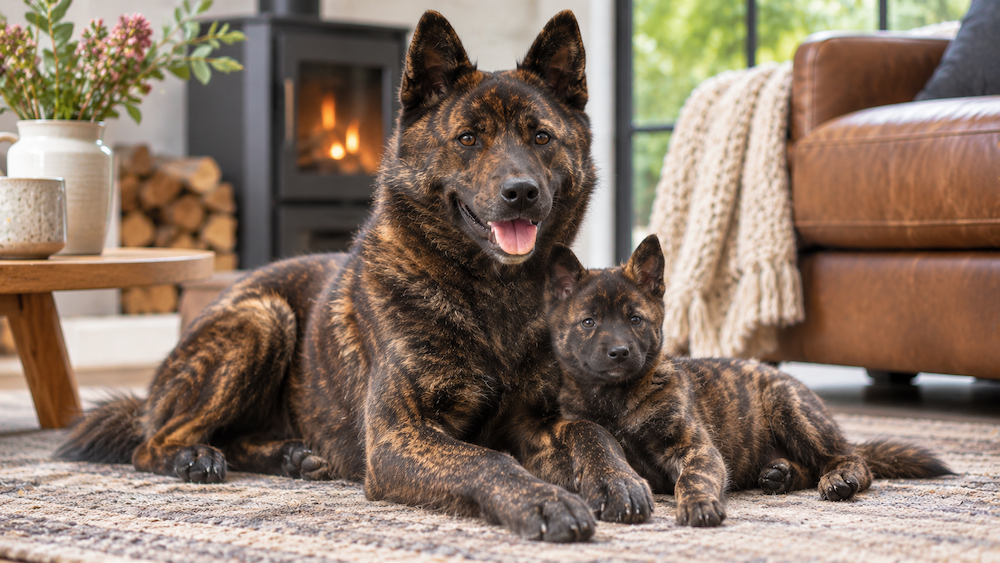
The breed has a weather-resistant double coat with a distinctive brindle pattern, commonly described as black brindle, brindle or red brindle. Weekly brushing is often sufficient between shedding periods, but seasonal coat changes can require much more frequent brushing.
Check ears, trim nails as needed and maintain dental care. Bathing should be occasional and use a dog-safe shampoo. Avoid shaving the double coat for summer: provide shade, hydration and a cool environment instead.
Kai Ken Health and Lifespan
Kai Ken are generally regarded as a hardy breed, but no dog is free of inherited or acquired health concerns. Ask breeders about hip and joint health, eye assessments, family longevity and any conditions identified in their lines. Because the population is relatively small, thoughtful breeding decisions and accurate health records matter.
Regular veterinary checks, appropriate nutrition, dental care, parasite prevention and a healthy body weight all support long-term wellbeing. Lifespan is commonly estimated at around 12–15 years, although individual outcomes vary.
Australian Parasite and Wildlife Precautions
Discuss tick, flea, heartworm and intestinal parasite prevention with a local veterinarian, as risks vary across Australia. Paralysis ticks are a serious concern in some eastern coastal regions. After bush walks, check your dog thoroughly for ticks and grass seeds. Keep dogs away from snakes and other wildlife, and supervise outdoor time.
Interesting Facts About the Kai Ken
- The Kai Ken originated in Japan’s mountainous Kai region and is one of Japan’s native dog breeds.
- Its tiger-like brindle colouring gives rise to the nickname Tora Inu.
- The breed was historically used to hunt in difficult mountain terrain and is known for agility and sure-footedness.
- Kai Ken puppies may develop more distinct brindle markings as their coats mature.
- The breed remains relatively uncommon outside Japan, including in Australia.
Kai Ken Breed Overview
Origin | Japan |
Size | Medium |
Typical weight | Approximately 11–18 kg; varies by sex and individual |
Typical height | Approximately 43–56 cm at the shoulder |
Coat | Short to medium-length double coat; brindle |
Temperament | Loyal, alert, intelligent, reserved with strangers |
Exercise needs | High |
Grooming | Moderate; heavier during seasonal shedding |
Training | Intelligent but independent; consistent rewards help |
Family suitability | Good for active, experienced households |
Typical lifespan | Around 12–15 years |
Thinking About Buying a Kai Ken?
A Kai Ken can be a wonderful companion for someone who values an active, loyal dog with a strong sense of character. The key is to choose a responsible breeder, understand the breed’s independent hunting instincts and prepare for years of exercise, training and companionship.
Explore dog listings and connect with sellers through PetsAustralia.com.au. Always verify breeder credentials, health documentation, identification requirements and the conditions in which a puppy has been raised before making a payment.
Visit: PetsAustralia.com.au